
Module · Portfolio
Two states, not one.
What the work is, and whether anyone can see it.
Each piece gets a cover, a write-up, the tools behind it and a link to the live thing. Whether it is finished and whether it is published are separate questions, which is the difference between a portfolio and a graveyard of half-written drafts.
The work
Ordered by you, because the best one is not always the newest.
Drag them into the order you want people to read them in. The one you lead with is a decision, not a timestamp.
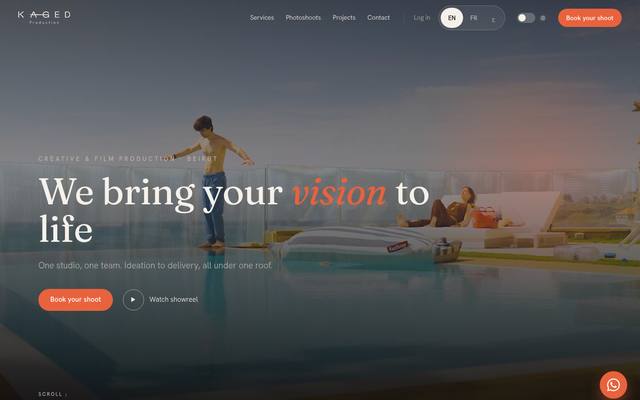
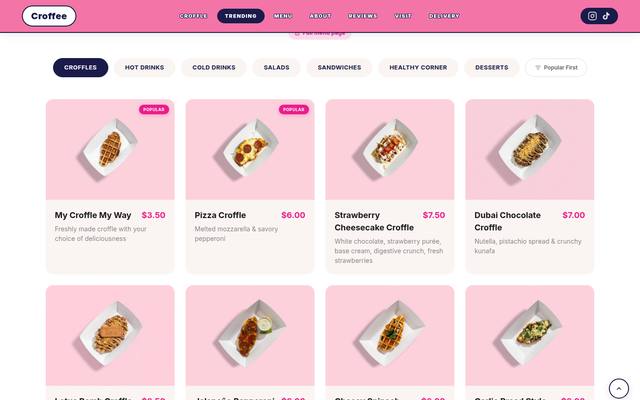

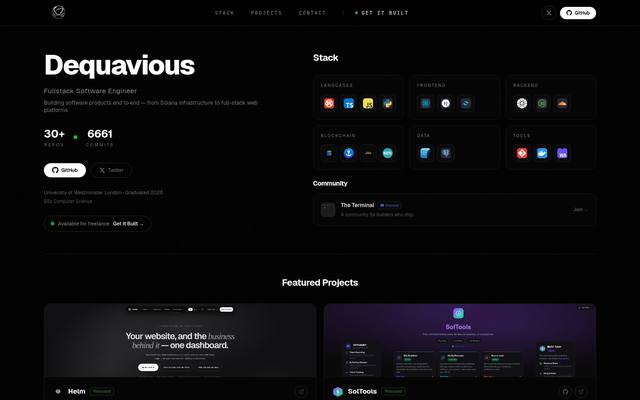
Four real Helm client sites — screenshots, not mockups
Example — what a piece can carry
One piece
A cover and a line to publish, the rest when you have it.
A cover and a line is enough to publish. Everything else — the write-up, the highlights, the tools, the links — is there when you have the time and absent when you do not.
Which is the point of separating the two states. A finished project can sit unpublished until the write-up is ready, rather than going up thin because the alternative was not going up at all.
Work status — where the job is
Publish status — whether anyone can see it
Two axes
Finished and published are different questions.
Most portfolio tools have one status and it conflates two questions. A project can be finished and unpublished because the write-up is not done. It can be live and still building, because the client shipped phase one.
Keeping them apart means the grid is never lying about either — and you are never publishing something thin just to stop it looking abandoned.
How you get it
It is already on when you get the dashboard
This one is not on a checkout page, and you do not have to ask for it. Module flags are set while your dashboard is being built — if the site needs it, it is switched on before you ever log in. Nothing extra on your plan, and nothing to request.
If your site shows work — projects, case studies, a selected-work page — portfolio is switched on while the dashboard is built. You will find it there the first time you log in, with the pieces already in it.
Example — a project page as a result
Being found
One address per project, which is one more chance each.
Each piece gets its own address, which means each piece can rank. A portfolio that lives in one scrolling page is one URL; this is one per project, each with its own title and description.
That is the practical reason to write the story rather than post the picture. The write-up is what the page has to be found for.
Before you start
What this does not do, said now rather than later.
No case-study templates
There is no guided structure asking you for the challenge, the approach and the result. A write-up is a rich-text field and the shape is yours.
No client logins or private galleries
Everything published is public. There is no per-client portfolio behind a password.
It does not collect enquiries
A visitor who wants to hire you off the back of it goes through your contact form, or through project requests if that is on.
Getting started
It is one switch, and the order is yours to argue about.
Switched on per account rather than bought. Plans start at $20 a month.